
U.S. Court Invalidates Section 122 Global Tariff: PCS Inverter Exporters May Seek Refunds
On May 7, 2026, the U.S. Court of International Trade (CIT) ruled that the 10% global import tariff imposed by the Trump administration under Section 122 of the Trade Act of 1974 is invalid and ordered refunds for the plaintiff in the case. This decision directly affects exporters of power electronics—including PCS inverters—from China to the U.S., with implications for cash flow, pricing strategy, and trade compliance across multiple supply chain tiers.
Event Overview
On May 7, 2026, the U.S. Court of International Trade issued a ruling declaring invalid the 10% ad valorem tariff applied globally under Section 122 of the Trade Act of 1974. The court directed the U.S. government to refund duties paid by the named plaintiff. The judgment applies specifically to the litigants but establishes binding precedent within CIT jurisdiction.
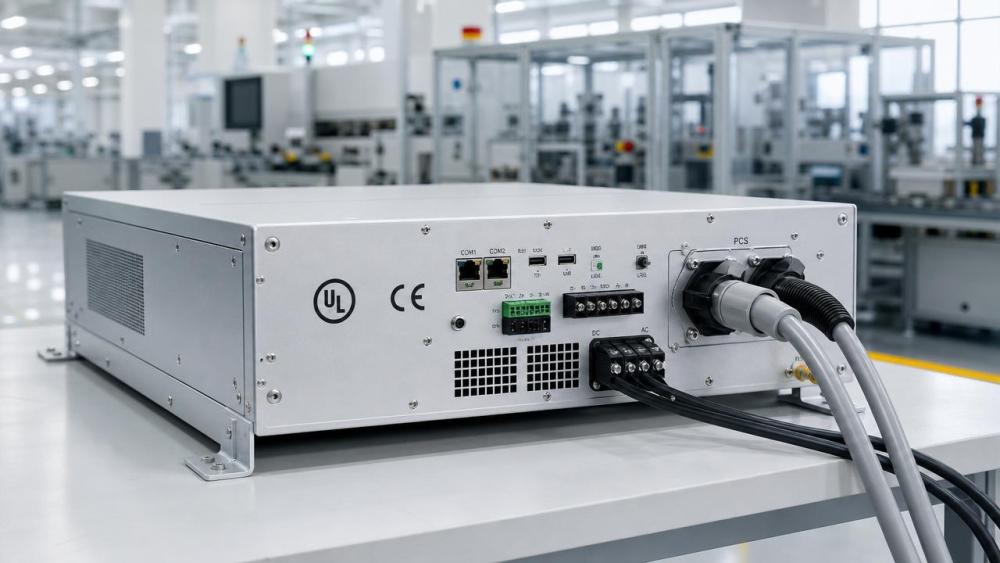
Industries Affected by Segment
Direct Exporters of Power Electronics (e.g., PCS Inverters)
These companies face direct financial exposure from Section 122 duties collected since March 2026. Because the CIT ruling creates a judicial precedent, affected exporters may file similar claims to recover duties paid—improving near-term liquidity and enabling more competitive U.S. pricing.
Contract Manufacturers & OEMs Producing for U.S.-Bound Inverters
OEMs and contract manufacturers supplying finished PCS inverters or key subassemblies to U.S.-bound export channels may see downstream pressure to reallocate cost savings—or absorb tariff-related risk—if their commercial agreements lack clear duty liability clauses. Their exposure depends on Incoterms, invoicing structure, and who legally appears as importer of record.
Supply Chain Service Providers (Customs Brokers, Trade Compliance Firms)
These providers are likely to experience increased demand for duty recovery assessments, classification reviews, and litigation support services related to Section 122 claims. Their role shifts from routine entry processing toward advisory and evidentiary preparation for potential CIT filings.
What Enterprises and Practitioners Should Monitor and Do Now
Track official U.S. government response and possible appeal
The U.S. government has not yet indicated whether it will appeal the CIT decision to the Federal Circuit. Companies should monitor official statements from the Office of the U.S. Trade Representative (USTR) and U.S. Customs and Border Protection (CBP), especially any interim guidance on duty suspension or refund procedures.
Identify eligible entries and preserve documentation
Exporters considering refund claims must verify entry dates (duties paid on or after March 2026), Harmonized System (HS) classifications, and importer-of-record status. Retaining commercial invoices, entry summaries (CBP Form 7501), and payment records is essential for filing a claim with CIT.
Distinguish between legal precedent and administrative implementation
Although the CIT ruling sets precedent, CBP has not suspended collection of Section 122 duties pending appeal. Refunds are not automatic; they require individual litigation or settlement. Businesses should avoid assuming immediate duty relief without confirmed legal action or official CBP notice.
Assess impact on U.S. pricing and tender timelines
For exporters engaged in active U.S. tenders or long-lead procurement cycles, the prospect of recoverable duties may justify revising bid terms or requesting revised delivery schedules to align with anticipated refund timing—especially where contracts include price adjustment clauses tied to tariff changes.
Editorial Perspective / Industry Observation
Observably, this ruling functions less as an immediate policy reversal and more as a procedural opening: it confirms that Section 122’s application lacked statutory grounding per CIT interpretation, thereby enabling private parties to seek redress. Analysis shows the decision does not invalidate other tariff actions (e.g., Section 301), nor does it mandate retroactive suspension of collections. From an industry standpoint, its significance lies in establishing a viable legal pathway—not a guaranteed outcome—for duty recovery. Continued attention is warranted because the scope of future filings, CBP’s administrative response, and any appellate outcome will shape both short-term cash flow and longer-term trade planning for power electronics exporters.
This development underscores how judicial review can recalibrate trade enforcement—even absent legislative or executive action. For firms operating at the intersection of energy infrastructure and international trade, it highlights the growing importance of integrating trade litigation readiness into broader compliance and finance operations.
Conclusion
The CIT’s May 7, 2026 ruling on Section 122 does not eliminate U.S. tariffs broadly, but it does create a narrow, precedent-based opportunity for certain power electronics exporters—particularly PCS inverter suppliers—to pursue duty refunds. It is best understood not as a broad policy shift, but as a targeted legal avenue with tangible, near-term financial implications for qualifying entities. Rational assessment requires distinguishing confirmed judicial precedent from unimplemented administrative action—and treating refund eligibility as conditional upon proper legal process, not automatic entitlement.
Source Attribution
Main source: U.S. Court of International Trade, Case No. 26-000XX (opinion issued May 7, 2026).
Areas requiring ongoing observation: U.S. government appeal decision, CBP administrative guidance on refund procedures, and volume or pattern of follow-on CIT filings by other exporters.
Related News
- Vietnam Sets 2026 Standalone Storage Price Ceiling at VND 3,209.98/kWhNov 12, 2026Energy Storage Strategist
- Yangtze River Delta Issues Power-Sharing Rules Including Storage and Virtual Power PlantsNov 11, 2026Dr. Alistair Vaughn
- NTPC Green Energy Tenders 10 GW/40 GWh Storage Systems and Grid-Forming PCSNov 10, 2026Energy Storage Strategist
- Australia’s NEM Battery Storage Reaches Record 20.17 GWhNov 09, 2026Energy Storage Strategist