
UHV Transformer Lead Times Hold at 9–12 Months
The timing of the underlying development is not specified in the source input, but the latest survey released by the China Chamber of Commerce for Import and Export of Machinery and Electronic Products on June 16, 2026 points to a notable execution signal for the UHV transformer market: Chinese leading suppliers are maintaining materially shorter delivery windows than major international competitors while order books extend into Q3 2027. For grid projects, EPC contractors, export-facing manufacturers, procurement teams, and compliance functions, this matters not only as a capacity update but also as a sign that delivery schedules, tender conditions, qualification reviews, and cross-border project documentation may increasingly be shaped by lead-time certainty rather than price alone.
What the latest survey actually confirms
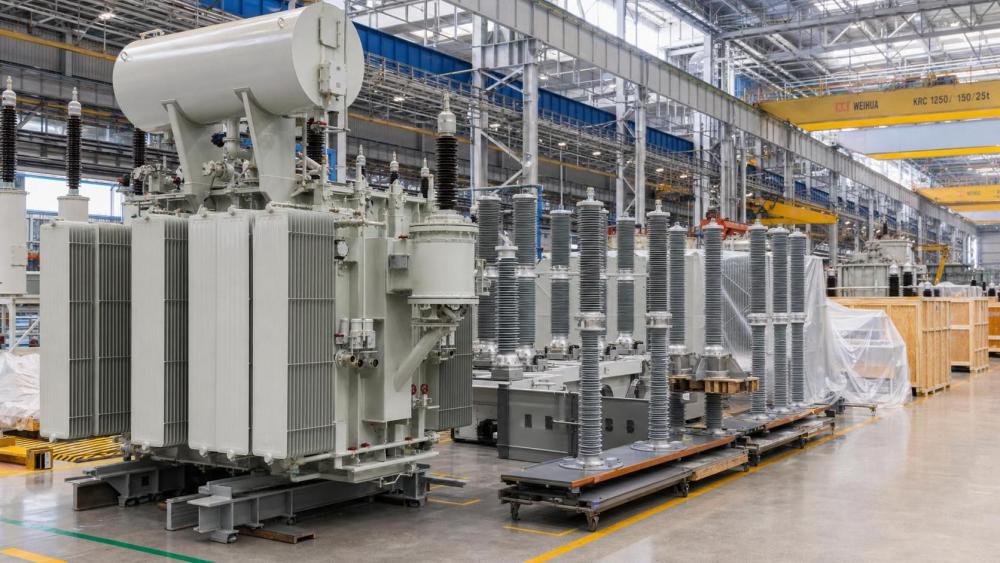
According to the June 16, 2026 survey by the China Chamber of Commerce for Import and Export of Machinery and Electronic Products, the average delivery cycle of leading Chinese UHV transformer manufacturers, namely TBEA, China XD, and Baobian Electric, is currently holding at 9 to 12 months.
The same survey states that this is significantly shorter than the reported delivery periods of Siemens at 22 months and Hitachi Energy at 26 months.
It also states that orders have already been scheduled through Q3 2027. The stated reason is concentrated demand released by grid upgrades in Europe and the United States and by large power station projects in the Middle East.
Why delivery capacity is becoming a market rule signal
For project buyers, lead time may become a stricter bid condition
Analysis shows that when order backlogs extend far into future project windows, purchasers of UHV equipment may place greater weight on delivery feasibility during supplier evaluation. The practical impact is likely to appear in bid schedules, technical clarification rounds, project sequencing, and supplier qualification review. What deserves closer attention is whether delivery commitments, production-slot confirmation, and supporting technical documentation gain more importance in procurement files and contract negotiations.
For exporters, shorter cycles can improve competitiveness but raise execution pressure
From an industry perspective, a shorter quoted lead time can strengthen export positioning in projects where schedule reliability is closely tied to financing, construction milestones, or grid commissioning plans. At the same time, exporters need to pay closer attention to whether commercial documents, technical specifications, inspection records, and delivery commitments remain fully aligned. The issue is not only winning orders, but also sustaining traceable compliance through manufacturing, shipment, and handover.
For supply-chain and service providers, scheduling discipline becomes more important
Observably, when major manufacturers are booked through Q3 2027, logistics coordinators, inspection service firms, and after-sales support teams may face tighter coordination requirements. The likely pressure points are shipment timing, documentation readiness, acceptance support, and downstream service planning. Companies involved in these links should monitor whether customers begin requesting earlier document locking, more detailed production progress visibility, or stricter handover coordination.
What companies should watch next
Qualification reviews and technical file readiness
Analysis shows that where procurement decisions become more sensitive to delivery certainty, supplier qualification materials, technical dossiers, and bid-response consistency may receive closer scrutiny. Companies should watch for any change in how customers frame production capability, scheduling evidence, testing support, and document completeness in tender or review processes.
Contract terms tied to schedule and acceptance
It is more appropriate to understand the current update as a reminder that delivery clauses may carry greater operational weight. Businesses should pay attention to how lead-time commitments are reflected in contract language, milestone definitions, acceptance documentation, and responsibility allocation if schedules move.
Export documentation and traceability expectations
From an industry perspective, firms serving overseas projects should be alert to tighter expectations around document consistency across quotations, technical submissions, manufacturing records, inspection materials, and final delivery packages. The source input does not provide detailed enforcement rules, so this remains a compliance area to monitor rather than a confirmed change already applied across all projects.
Supplier selection under extended order books
Observably, orders extending into Q3 2027 can affect procurement planning, supplier diversification, and project sequencing. Buyers and contractors may need to assess not only nominal lead times but also the credibility of production allocation, delivery windows, and support capacity over the life of the project.
How this should be read at this stage
Analysis shows that this development is better understood as an execution signal than as a standalone policy announcement. The source input does not identify a new law, regulation, or formal standard revision. However, the combination of long order visibility and shorter delivery cycles indicates that market access, supplier preference, and procurement compliance may increasingly be shaped by the practical enforceability of delivery commitments.
What deserves closer attention is whether this capacity advantage begins to appear more clearly in tender wording, qualification thresholds, technical bid alignment, or project documentation requirements. That is the point at which a market development starts functioning like an industry rule in day-to-day execution.
What the market update means in practical terms
At present, the most rational reading is that the UHV transformer market is sending a clear operational signal: delivery capability is becoming a more visible factor in procurement and trade execution for grid and power projects. This does not by itself confirm a formal rule change, but it may influence how buyers, exporters, and service providers interpret risk, prepare documents, and structure supply commitments.
It is more appropriate to understand this update as an important indicator of how project execution requirements may evolve, while the detailed impact on tender practice, compliance review, and contract administration still requires continued observation.
Basis of this article and what still needs verification
This article is generated based on the user-provided news title, event timing, and event summary. The input identifies a survey released by the China Chamber of Commerce for Import and Export of Machinery and Electronic Products on June 16, 2026, but a specific official source link is not provided in the input and should therefore be further verified.
For developments of this kind, commonly relevant source types include official announcements, regulator releases, trade or customs authority information, industry association updates, standard-setting documents, and reporting by authoritative media. Observably, the points that still merit continued verification include later official wording, procurement practice changes, certification or compliance interpretation, tender document adjustments, market feedback, and how companies implement delivery commitments in actual projects.
Related News
- US Energy Department Offers $237 Million for Grid Component and Transformer Supply ChainsNov 02, 2026High-Voltage Grid Architect
- Gansu–Zhejiang UHV Line Completes Conductor Stringing Across the YangtzeOct 28, 2026High-Voltage Grid Architect
- Gansu–Zhejiang UHV Project Completes Yangtze River Crossing Conductor StringingOct 27, 2026High-Voltage Grid Architect
- How UHV transformer transport limits shape substation planningOct 20, 2026High-Voltage Grid Architect