
Gansu–Zhejiang UHV Line Completes Conductor Stringing Across the Yangtze
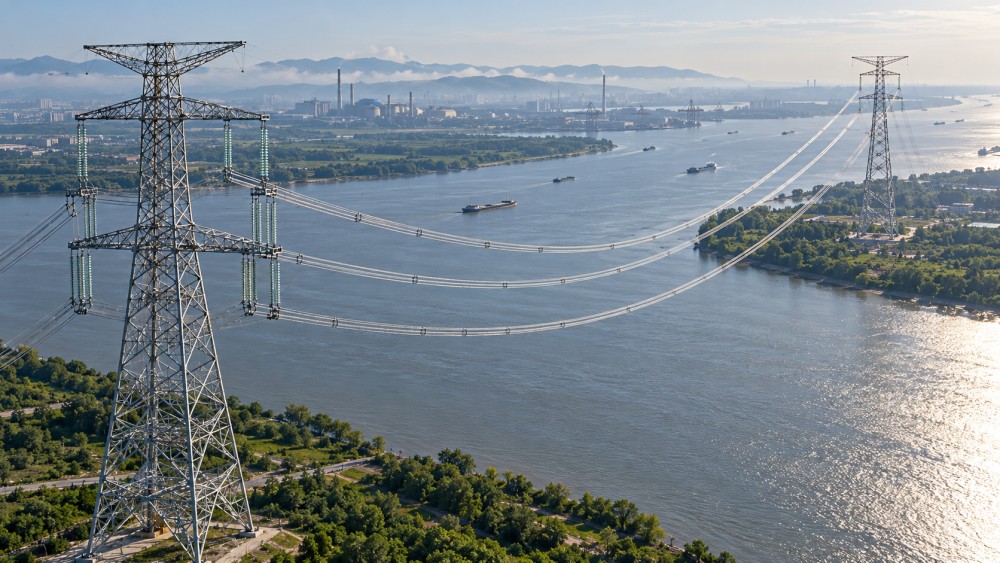
On October 26, 2026, conductor stringing was completed for the Yangtze River crossing of the Gansu–Zhejiang ±800 kV ultra-high-voltage direct-current transmission project in Wuhu, Anhui. The milestone advances a key project under the west-to-east power transmission initiative. From an industry perspective, it may inform construction coordination, equipment delivery and procurement planning. The supplied information describes progress in infrastructure implementation; it does not establish a change in regulations, technical standards or certification requirements.
A River Crossing Milestone on the Route to Full Connection
The Gansu–Zhejiang ±800 kV transmission project is a key west-to-east power transmission project. Its Yangtze River crossing completed conductor stringing on October 26 in Wuhu, Anhui.
Completion of this stage provides a foundation for subsequent construction, progress toward connection of the full route and the large-scale transmission of clean energy across regions.
Construction Progress May Refocus Supply Chain Coordination
Contractors may need to reassess interfaces between remaining activities
Analysis suggests that completion of a major crossing could become a useful reference point for engineering contractors coordinating subsequent work. The practical issue is whether confirmed project schedules call for adjustments to construction sequencing, equipment availability or handover preparation. The milestone alone does not establish revised deadlines or acceptance conditions.
Equipment suppliers may face closer delivery coordination
For equipment manufacturers and integrators involved in the project, the development may warrant a review of outstanding deliveries against current contractual schedules. Analysis suggests that technical documentation, inspection records and coordination with receiving parties could become relevant to that review. However, the supplied information identifies no new purchasing orders, supplier qualification criteria or product certification obligations.
Purchasers and service providers should distinguish progress from authorization
From a procurement perspective, the crossing milestone may support discussions about remaining supply and service needs. Purchasers, testing providers and supply chain service companies could use it as a prompt to confirm their actual scope and timing. It should not be treated as evidence that additional procurement has been approved, that testing requirements have changed or that the full transmission route is ready for operation.
Practical Checks Before Adjusting Procurement or Delivery
Confirm schedules through project-specific documentation
As a practical recommendation, participating businesses should compare the reported milestone with the latest schedules and instructions applicable to their contracts. Any decision to accelerate production, arrange transport or commit additional resources should rest on confirmed delivery needs. The supplied summary does not specify dates for subsequent stages or full-route completion.
Verify applicable specifications and acceptance documents
A reasonable compliance response would be to check whether relevant technical specifications, inspection arrangements or handover documents have been revised. This is a recommendation to verify the applicable requirements, rather than a claim that revisions have occurred. No new standard, certification procedure or regulatory approval condition is identified in the supplied material.
Keep commercial commitments tied to confirmed project scope
Analysis suggests that suppliers and contractors should assess whether their existing commitments remain aligned with confirmed work packages. Where tender documents or contract instructions are subsequently issued or updated, businesses could review their implications for qualifications, documentation and delivery. The crossing milestone provides no basis on its own for assuming new trade rules, export opportunities or changes to contractual responsibilities.
An Implementation Signal Within an Existing Transmission Initiative
Editorial analysis: this development is best understood as a construction implementation signal within the west-to-east power transmission initiative. It indicates progress toward the infrastructure needed for cross-regional clean energy transmission. The information supplied does not identify a newly adopted policy, an amended regulation or a revised industry rule.
What deserves closer attention is whether subsequent project communications translate this progress into confirmed changes affecting procurement, delivery coordination or acceptance arrangements. Any such implications would need to be assessed against the relevant documents when available. Completion of conductor stringing at the crossing does not, by itself, establish full-route connection or operational readiness.
Use the Milestone to Review Readiness, With Commitments Based on Evidence
From an industry perspective, the crossing's completion provides a concrete reason for participating businesses to review their readiness for subsequent project work. Its immediate relevance lies in coordination and planning. A proportionate response is to verify schedules, specifications and contractual instructions while keeping potential commercial effects separate from confirmed obligations. Broader conclusions about market demand or regulatory change remain unsupported by the supplied information.
The Supplied Record and What Still Requires Verification
This article is based exclusively on the user-provided news title, event date of October 26, 2026, and event summary. The factual account is limited to those materials; the supply chain implications and business recommendations are explicitly presented as analysis.
No specific official source link was provided in the input, so the report and any subsequent developments require continued verification. Relevant materials to consult, if available, include official project announcements, applicable regulatory publications and project procurement documents. Further observation should focus on confirmed construction schedules, any documented changes to technical or certification requirements, tender conditions and feedback from businesses carrying out the remaining work.
Related News
- US Energy Department Offers $237 Million for Grid Component and Transformer Supply ChainsNov 02, 2026High-Voltage Grid Architect
- Gansu–Zhejiang UHV Line Completes Conductor Stringing Across the YangtzeOct 28, 2026High-Voltage Grid Architect
- Gansu–Zhejiang UHV Project Completes Yangtze River Crossing Conductor StringingOct 27, 2026High-Voltage Grid Architect
- How UHV transformer transport limits shape substation planningOct 20, 2026High-Voltage Grid Architect