
US Power Cost Pledge Raises GIS Import Demand
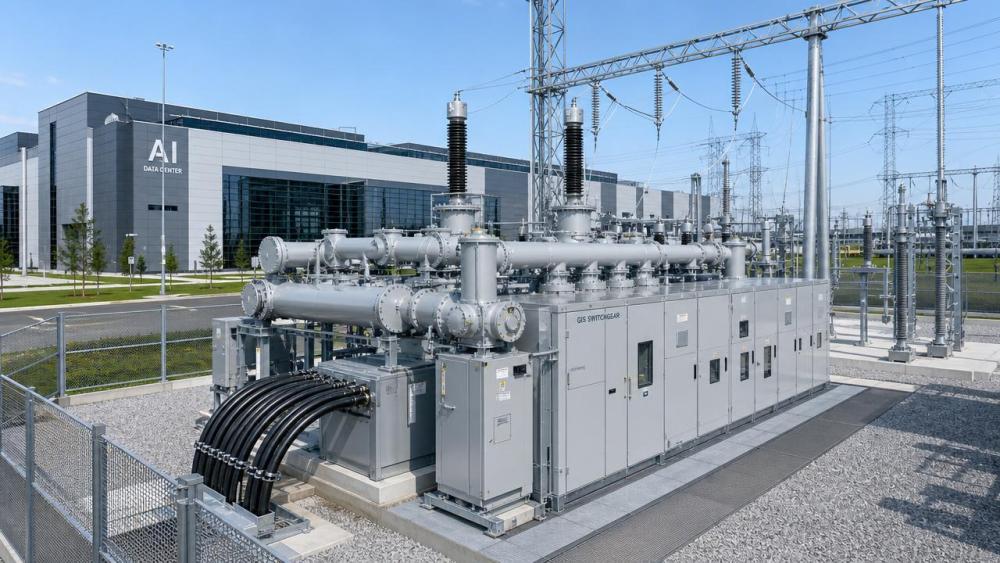
In June 2026, seven major US technology companies including Meta and Microsoft formally signed the Power Cost Protection Pledge, shifting the full cost of supporting transmission and substation upgrades for new AI data center campuses onto project developers. For companies involved in GIS switchgear, grid-connection compliance, power infrastructure delivery, and AIDC construction, the development matters because it ties AI capacity expansion more directly to equipment procurement and local interconnection requirements.
What Has Been Confirmed So Far
The confirmed information shows that the pledge was formally signed in June 2026 by seven US technology companies, including Meta and Microsoft. Under the arrangement described in the event summary, newly built intelligent computing parks are required to bear the full cost of associated transmission and transformation upgrades. That scope includes GIS switchgear procurement and local grid-connection certification. The same summary also states that North America’s aging grid infrastructure, combined with surging AI-related power demand, is driving rigid import demand for highly reliable and lower-SF6 environmentally oriented GIS products.
Where the Pressure Moves Along the Chain
Imported GIS suppliers face a more immediate project link
From an industry perspective, suppliers and traders of GIS equipment may be affected first because procurement is no longer an indirect consequence of broader grid expansion alone. In this case, GIS purchasing is tied more directly to the delivery of new intelligent computing parks. What deserves closer attention is whether buyers increasingly prioritize reliability, lower SF6 content, and the ability to meet local grid-connection certification requirements as part of the same purchasing decision.
Grid-connection and delivery service providers may see tighter execution demands
Analysis shows that service providers involved in certification, project coordination, and delivery scheduling may also feel the impact. If transmission and substation upgrades become a cost item that must be fully carried by new projects, execution risk may shift toward documentation readiness, local compliance coordination, and delivery timing. The key business effect is not only equipment supply, but also whether procurement and certification can move in step.
AIDC developers and procurement teams face a different cost structure
For end users building new AI computing campuses, the event suggests that power access can no longer be treated as a separate downstream issue. Observably, GIS procurement and interconnection approval become more closely tied to early-stage project planning. This may affect how procurement teams sequence vendor engagement, technical review, and budget allocation around supporting power infrastructure.
What Companies Should Watch Next
Track how the pledge is reflected in practical requirements
Analysis shows that companies should distinguish between the headline policy signal and the exact requirements that appear in project execution. The main point to watch is how the obligation to cover transmission and substation upgrades is translated into procurement documents, technical specifications, and grid-connection procedures.
Prepare for higher scrutiny on product compliance
For GIS-related suppliers, what deserves closer attention is whether lower-SF6 and high-reliability positioning is matched by complete technical files and certification support. If local interconnection approval is part of the project burden, product qualification and supporting documents may become more commercially important in customer communication.
Review lead times against project power milestones
Observably, the issue is not only whether demand rises, but whether supply and certification timelines align with AIDC construction schedules. Companies involved in sourcing, importing, and delivery should pay attention to the relationship between equipment lead time, compliance preparation, and project energization milestones.
Keep communication aligned with customer risk allocation
From an industry perspective, customer concerns may shift toward who carries cost, schedule, and compliance risk once supporting grid upgrades are bundled into new campus development. That makes contract communication, scope clarity, and fulfillment planning more important than generic demand assumptions.
Why This Looks Bigger Than a Single Procurement Story
Analysis shows that this development is not only about one equipment category. It signals that power infrastructure is becoming a more explicit gating condition for new AI computing expansion in the US. At the same time, it is more appropriate to understand this as a strong industry signal rather than a fully settled market outcome, because the practical pace and scale of impact still depend on how projects, procurement standards, and local interconnection processes are carried out.
How This News Is Best Understood Now
At this stage, the event is best read as a concrete near-term signal with possible longer-term implications. The confirmed fact is that new intelligent computing parks are being required to carry the full cost of related transmission and transformation upgrades, including GIS procurement and local certification. The broader industry meaning, however, still requires continued observation: whether this translates into sustained import demand, stricter product screening, and more front-loaded power planning will depend on actual project implementation.
About the Basis for This Article
This article is based on the user-provided news title, event date, and event summary. For developments of this kind, commonly relevant source types may include official statements, company announcements, industry association updates, authoritative media coverage, and standards-related documents. A specific official source link was not provided in the input, so further verification remains necessary. Continued attention should be paid to any later formal wording, project-level procurement requirements, and local grid-connection compliance updates.
Related News
- Which Asian Grid Code Differences Affect Substation Equipment Selection?Sep 11, 2026
- U.S. Imposes Four-Year Safeguard Duty on Quartz CountertopsAug 15, 2026
- EU Sets New GIS F-Gas Rule From August 15Aug 04, 2026
- IEC 62271-305:2026 Takes Effect for EU-Bound GISJul 20, 2026