
Hormuz E-Navigation Rollout Cuts XLPE Cable Transit Time
On June 1, 2026, the full launch of a new E-Navigation System in the Strait of Hormuz marked an operational rule change in how vessel traffic is managed on a critical shipping corridor. For suppliers, EPC contractors, grid operators, carriers, and procurement teams involved in XLPE submarine cable deliveries, the development matters not simply because transit times improved, but because route management, scheduling discipline, and delivery predictability are now being reshaped by a live traffic-control framework and related carrier allocation adjustments.
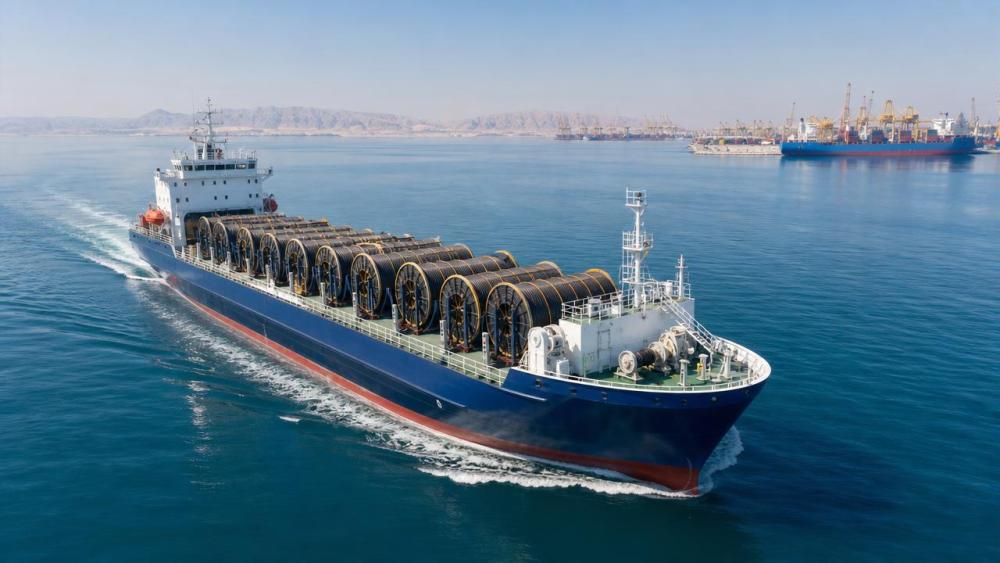
A live traffic-management change with immediate logistics effects
According to the provided event summary, the new-generation E-Navigation System in the Strait of Hormuz entered full operation on June 1, 2026. The system enables real-time vessel monitoring, intelligent channel allocation, and linked emergency response.
The same summary states that the system has reduced waiting time and congestion risk for passage. It also notes that major carriers, including COSCO Shipping, optimized Asia-Europe route allocation at the same time.
Based on the provided information, average maritime transit time for XLPE submarine cables on main Gulf-to-East Asia and Gulf-to-Europe routes improved by about 30%. The summary further states that delivery certainty has increased, which is particularly relevant for overseas EPC contractors and grid operators that depend on punctual project cargo arrival.
Where the operational change may start to matter across the chain
For cable exporters and project cargo shippers
From an industry perspective, exporters and shippers may be affected because the change alters the practical assumptions behind voyage planning on a sensitive route. The most direct impact is likely to appear in booking strategy, dispatch timing, and shipment sequencing for XLPE submarine cable orders that are tied to project milestones. What deserves closer attention is whether internal shipping documents, delivery schedules, and contract timelines should be updated to reflect shorter average transit expectations without treating them as guaranteed performance in every shipment.
For EPC contractors and procurement teams
Analysis shows that EPC contractors and buyers may see the greatest benefit in schedule reliability rather than in speed alone. For projects that rely on synchronized marine installation windows, the change may affect procurement lead-time assumptions, tender delivery clauses, and supplier coordination. The practical issue to watch is whether bid documents, technical schedules, and logistics assumptions begin to incorporate the improved route efficiency as a working baseline.
For grid operators and project owners
Grid operators and project owners may be influenced because cable arrival timing can affect commissioning sequences and offshore construction coordination. Observably, better delivery predictability may support tighter planning between manufacturing completion, port handling, and downstream installation readiness. At the same time, these parties should pay attention to whether supplier commitments, handover documents, and delivery notices are revised to reflect the new operating environment without overstating certainty.
For carriers and supply-chain service providers
For carriers, freight forwarders, and logistics coordinators, the change points to a more digitally managed transit environment in a chokepoint that has historically required careful timing. The business impact may show up in routing decisions, cargo allocation, exception handling, and emergency-response coordination. What deserves closer attention is the interaction between the new traffic-management system and carrier-side allocation practices, because service promises and customer communication may need to align with the updated operating rules.
Practical points companies should keep under review
Do not treat average transit improvement as a blanket guarantee
Analysis shows that the reported 30% improvement should be understood as an average route effect stated in the provided summary, not as a universal delivery commitment for every shipment. Companies should therefore review contract language, milestone planning, and delivery notices carefully before converting a corridor-level improvement into project-level guarantees.
Recheck tender files and schedule assumptions
Where XLPE submarine cable supply is linked to offshore wind grid connection or flexible DC transmission work, procurement and bid teams should watch for any updates in tender schedules, logistics assumptions, or required supporting documents. If buyers begin to reflect shorter shipping windows in bid evaluation or execution planning, suppliers may need to align technical and commercial submissions accordingly.
Keep compliance and documentation discipline intact
Although the provided information focuses on navigation management and shipping efficiency, companies should continue to maintain consistency across shipment documents, project schedules, technical files, and customer communications. The key issue is not that a new certification or regulatory filing has been confirmed, but that operational rule changes in a major transit corridor can change how delivery representations are reviewed in practice.
Monitor follow-on execution signals
It is more appropriate to understand this stage as an implemented operational change with follow-on execution implications still worth monitoring. Companies should therefore keep track of later wording in customer requirements, carrier notices, scheduling practices, and project correspondence rather than assuming that all downstream procedures have already been standardized.
Why this looks more like an execution signal than a policy headline
Observably, this development is not just a shipping news item. It reflects a rule-based operational shift in corridor management that has already entered live use, and that is why the market impact is more tangible for delivery planning. Analysis shows that the significance lies in the combination of traffic-system activation and carrier allocation optimization, which together affect how reliably project cargo can move through a critical route.
At the same time, it would be premature to read the event as a fully settled new norm for every contract, every lane, or every project schedule. What deserves closer attention is how buyers, EPC contractors, and logistics providers translate the new operating conditions into contractual language, planning buffers, and execution standards over time.
How the market may best read this development now
At this stage, the event is best understood as a confirmed operational change with immediate relevance for maritime delivery planning of XLPE submarine cables, especially where project schedules are sensitive to timing certainty. A neutral reading is that the reported improvement strengthens execution confidence on the affected routes, while the full downstream effect on procurement practice, tender assumptions, and delivery commitments still requires continued observation.
Basis of this article and what still needs verification
This article is generated from the user-provided news title, event date, and event summary. For developments of this type, relevant source categories typically include official notices, regulator releases, customs or trade authority information, shipping or route-management announcements, industry association materials, standard-setting documents, and reporting by established industry media.
No specific official source link was provided in the input, so further verification remains necessary. What still needs continued observation includes later official wording, implementation guidance, market feedback, tender document changes, buyer-side scheduling practice, and how enterprises incorporate the updated transit conditions into actual project execution.
Related News
- National Grid to Invest Up to £400 Million in Extending IFA Link to 2050Oct 30, 2026Transmission Materials Fellow
- Is Submarine Cable Repair More Expensive per Kilometer Than Overhead Line Repair?Sep 10, 2026Transmission Materials Fellow
- Which maintenance practices support offshore cable failure prevention?Oct 18, 2026Transmission Materials Fellow
- EU Requires EN 50684:2026 for XLPE Subsea CablesAug 02, 2026Transmission Materials Fellow