
Russia Moves to Make EAC Mandatory for HTLS Imports
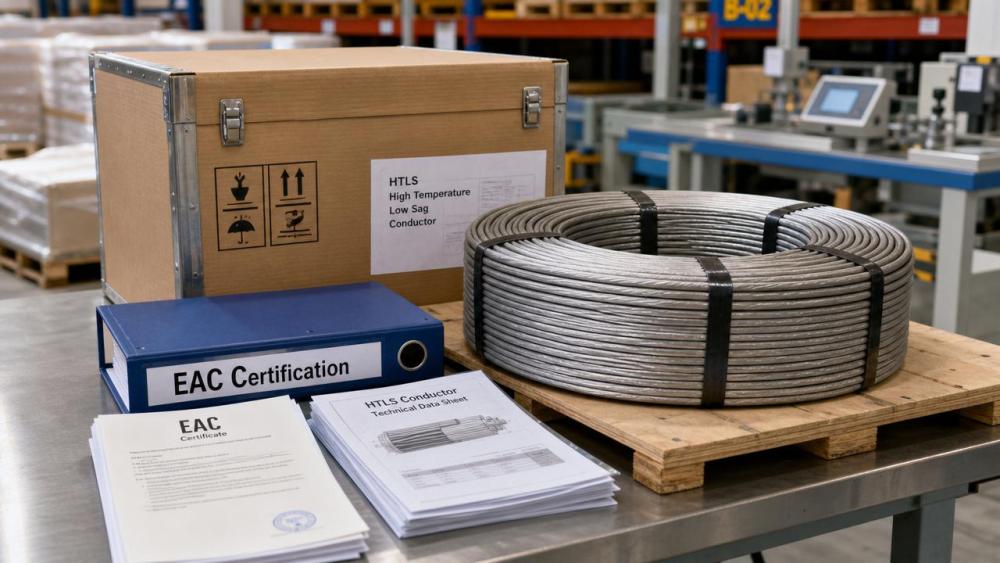
On May 28, 2026, at the first-reading stage, Russia’s State Duma advanced an amendment to the Cross-Border Platform Liability Law that would make EAC certification a mandatory precondition from 2028 for industrial goods imported through e-commerce platforms, including HTLS conductors. The change is worth close industry attention because it does not only affect customs-facing compliance, but also platform documentation, procurement timing, certification readiness, and delivery planning for exporters, buyers, and supply-chain participants linked to grid upgrade demand.
What the first-reading amendment actually sets out
According to the information provided, the amendment passed its first reading in May 2026. It states that from 2028, all industrial goods imported through e-commerce platforms, including HTLS conductors, must complete EAC certification, and the platform must retain a copy of the certificate. If that requirement is not met, the platform will bear full responsibility for return shipments and fines. The same information indicates that this development is expected to accelerate the certification process tied to concentrated procurement of high-strength aluminum conductors from China for Russian grid upgrade projects.
Where the pressure is likely to appear first in the supply chain
Platform-based import channels face direct document liability
From an industry perspective, the most immediate exposure falls on cross-border platform channels because the proposed rule links platform responsibility directly to certificate retention. For businesses relying on platform-based industrial sales, the issue is not only whether a product can be shipped, but whether the certification file can be produced, stored, and matched to the imported item in a form the platform is willing to accept.
HTLS exporters may see certification move earlier in the sales cycle
Analysis shows that exporters of HTLS conductors may need to treat EAC preparation as an earlier-stage commercial requirement rather than a later compliance step. Where sales depend on platform imports, missing certification could affect quotation credibility, transaction closure, shipment release, and the willingness of channel partners to list or handle the product.
Buyers and project procurement teams may tighten supplier screening
For procurement teams connected to grid upgrade demand, the practical impact may appear in supplier qualification and bid preparation. What deserves closer attention is whether procurement documents, technical files, and vendor review steps begin to place more weight on certification readiness, document completeness, and traceable proof that the platform can retain the required certificate copy.
Certification and testing service participants may be drawn in earlier
Certification-related firms and testing service providers may also be affected because the rule change could shift market attention toward earlier document review and compliance scheduling. Observably, where import timing and platform acceptance become more sensitive, companies may need earlier coordination on technical documentation, test materials, and certificate support records tied to HTLS products.
What companies should monitor before the 2028 threshold
Check whether current product files are platform-ready
Companies involved in HTLS trade should pay attention to whether existing certification materials, technical documents, and supporting records are sufficient for platform retention requirements. The key point is not only holding a certificate, but also ensuring the supporting file set can be consistently presented in the transaction and import process.
Watch for further wording and enforcement clarification
Because the information provided refers to a first-reading passage, companies should continue to monitor later official wording, implementation language, and any clarification on how the rule will apply in practice. It is more appropriate to understand this stage as a strong compliance signal rather than a fully detailed execution framework.
Reassess procurement timing and delivery commitments
Businesses handling exports, sourcing, or project supply should review whether certification lead time could affect offer validity, procurement scheduling, and delivery promises. Analysis shows that where concentrated purchasing is involved, compliance readiness may become part of commercial timing rather than a separate administrative issue.
Prepare for stronger traceability expectations
Companies should also watch whether certificate copies, technical descriptions, and product matching records become more important in after-sales handling, shipment disputes, or return-risk management. Even without full implementation detail yet, the direction of travel points toward stricter traceability around platform-imported industrial goods.
Why this looks more like an execution signal than a finished rulebook
Observably, this development matters less as a headline about platform liability alone and more as a signal that certification control may move closer to the transaction channel itself. Analysis shows that the combination of mandatory EAC certification and platform certificate retention could reshape how HTLS conductor imports are screened before shipment. At the same time, because the amendment is identified here at the first-reading stage, the market still needs to watch how the final enforcement approach, documentation expectations, and procurement responses take shape.
How the market may best read this stage
At this point, the development is best understood as a concrete compliance direction with potential effects on trade execution, certification sequencing, and supplier qualification for HTLS conductors entering Russia through e-commerce platforms. It should not yet be treated as a fully settled operating framework in every detail, but it is already significant enough for exporters, buyers, and service providers to review certification readiness and document control ahead of 2028.
Basis of this article and what still needs verification
This article is based on the user-provided news title, event date, and event summary. For developments of this type, relevant source categories typically include official announcements, releases from regulatory authorities, customs or trade administration information, industry association updates, standards-related documents, and reporting by authoritative media. A specific official source link was not provided in the input, so subsequent verification is still needed. What remains worth tracking includes later policy detail, EAC implementation interpretation, changes in tender documents, market feedback, and how companies actually adjust certification and delivery arrangements.
Related News
- Do HTLS Conductors Require Existing Tower Structures to Be Replaced?Sep 09, 2026Transmission Materials Fellow
- How do HTLS conductors increase capacity without new towers?Sep 05, 2026Transmission Materials Fellow
- DOE HTLS Supplier List Adds 3 Chinese VendorsJul 12, 2026Transmission Materials Fellow
- DOE Tightens HTLS Import Review on CFCC TraceabilityJul 10, 2026Transmission Materials Fellow