
Liquid-Cooled BESS Lead Times Stretch to 18 Months
In 2026 Q2, the average delivery window for global large-scale liquid-cooled BESS projects of 100MWh or more has extended to 16–18 months, as battery cell tightness and longer system integration certification cycles weigh on schedules. This development matters not only to manufacturers, but also to European distributors, project buyers, and supply-chain service providers, because procurement timing, certification readiness, and capacity allocation are becoming more central to transaction decisions.
What the market has already confirmed
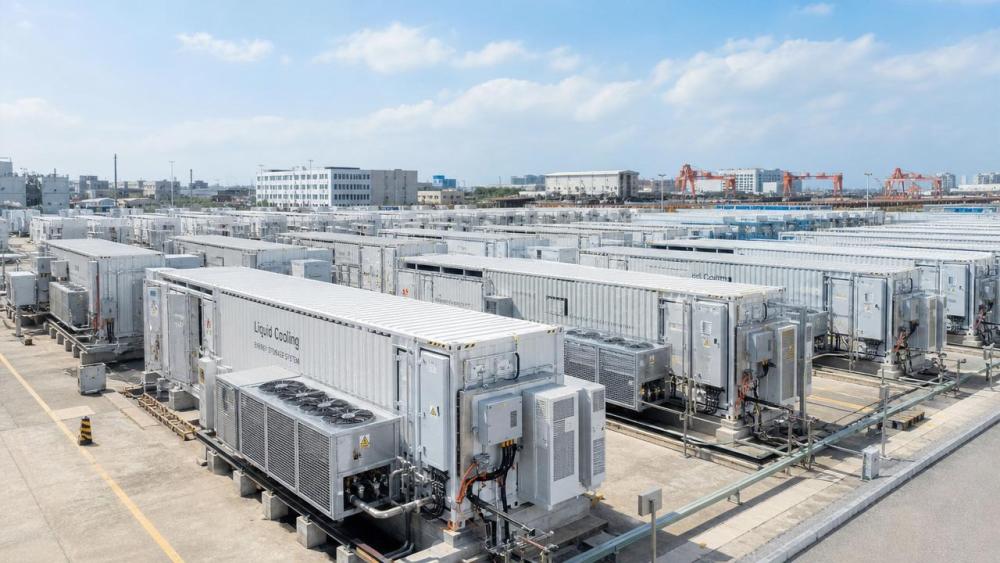
The confirmed development is that delivery timelines for large liquid-cooled BESS systems have lengthened globally in 2026 Q2. The reported average lead time for projects at or above 100MWh has reached 16–18 months.
The stated reasons are twofold: battery cells remain difficult to secure, and certification cycles for system integration have become longer. At the same time, GGII data shows that China’s liquid-cooled BESS shipments in Q1 increased by 139% year on year, while leading suppliers have order books extending into 2027.
Another confirmed signal is on the demand side: European distributors are traveling to China for factory audits and are prioritizing contracts with liquid-cooled solution providers that already hold UL 9540A and VDE-AR-E 2510-50 certifications.
Where the pressure is showing up across the chain
Capacity allocation is becoming a commercial issue
From an industry perspective, distributors and buyers may be affected first through access to production slots rather than price alone. When leading suppliers are already booked far ahead, the practical question shifts toward whether capacity can be secured early enough to match project schedules.
Certification readiness is moving closer to the center of deal-making
For solution providers and channel partners, the impact is likely to appear in qualification, tender preparation, and customer due diligence. The fact that European distributors are prioritizing suppliers with UL 9540A and VDE-AR-E 2510-50 suggests that certification status is becoming a more immediate filter in supplier selection.
Supply-chain coordination faces tighter timing requirements
For supply-chain service providers and procurement teams, longer lead times may affect planning for cells, integration milestones, factory inspections, and delivery commitments. What deserves closer attention is whether project timelines are being built around realistic certification and manufacturing windows rather than earlier assumptions.
What companies should watch now
Check whether certification status is usable, not just available
Analysis shows that certification is no longer only a technical checklist item. Companies involved in sales, sourcing, and project execution should pay close attention to whether UL 9540A and VDE-AR-E 2510-50 credentials are current, applicable to the offered configuration, and ready for customer review during qualification and audit stages.
Reassess delivery commitments in customer communication
Where quoted lead times were set under earlier market conditions, teams may need to revisit how delivery promises are presented. The current issue is less about broad market messaging and more about whether contract discussions, project schedules, and procurement milestones reflect the now-reported 16–18 month cycle.
Prepare for more rigorous factory and supplier verification
Observably, the increase in European factory visits means suppliers should expect closer checks on production capability, documentation, and execution readiness. Distributors and buyers, in turn, may need a more structured review of supplier capacity, certification files, and order queue visibility before locking in orders.
Separate demand momentum from actual deliverability
Analysis shows that strong shipment growth and long order backlogs do not automatically mean near-term availability. For commercial teams, the more practical focus is to distinguish between visible market demand and confirmed production and delivery capacity that can support specific project timelines.
Why this looks like more than a temporary scheduling issue
It is more appropriate to understand this as both a current operating constraint and an industry signal. The immediate fact is the extension of lead times, but the broader observation is that certification readiness and bankable capacity are becoming more important in cross-border procurement decisions for liquid-cooled BESS.
At the same time, this should not yet be overstated as a final market outcome. Observably, the information points to tightening delivery conditions and more selective sourcing behavior, but the longer-term direction still requires continued verification through subsequent order, certification, and delivery developments.
How to read this development at this stage
For the industry, the key significance of this update is that lead time, certification, and production access are now interacting more directly in liquid-cooled BESS transactions. A neutral reading is that this is not just a short-term logistics issue, but also not a fully settled structural conclusion based on the current information alone.
At this stage, it is more appropriate to understand the development as a strong market signal that procurement behavior is adjusting quickly around available certified Chinese capacity, while the full duration and breadth of that shift still deserve close observation.
Basis of this article
This article is based on the user-provided news title, event timing, and event summary. For developments of this kind, commonly relevant source categories may include official statements, company disclosures, industry association data, authoritative media coverage, and documents from standards organizations.
No specific official source link was provided in the input, so further verification remains necessary. The areas that still deserve continued attention include subsequent changes in delivery cycles, certification-related developments, and whether buyer behavior continues to concentrate on already qualified liquid-cooled BESS suppliers.
Related News
- Vietnam Sets 2026 Standalone Storage Price Ceiling at VND 3,209.98/kWhNov 12, 2026Energy Storage Strategist
- NTPC Green Energy Tenders 10 GW/40 GWh Storage Systems and Grid-Forming PCSNov 10, 2026Energy Storage Strategist
- Australia’s NEM Battery Storage Reaches Record 20.17 GWhNov 09, 2026Energy Storage Strategist
- India Approves ₹145 Billion VGF Plan for 92 GWh of Energy StorageNov 07, 2026Energy Storage Strategist