
Greenvolt Power Agrees to Sell 400MW/1.6GWh Polish Storage Projects
Greenvolt Group announced through Greenvolt Power on October 23, 2026, that it had agreed to sell two Polish battery storage projects totaling 400MW/1.6GWh to Malta-based A&R Investments. The specific signing date was not disclosed; the announcement date is used as the reference date. Both projects hold 17-year capacity market contracts. From an industry perspective, those contracts make the transaction relevant to developers, equipment suppliers and engineering contractors assessing how existing market commitments may affect project transfers and delivery planning. The supplied information does not establish a new policy or regulatory amendment.
Two Polish Projects Carry 17-Year Capacity Market Contracts
The agreed sale covers the Ełk and Turośń Kościelna battery energy storage projects in Poland. Their combined capacity is 400MW/1.6GWh, and both have secured capacity market contracts with a term of 17 years.
Greenvolt Power agreed to sell the projects to A&R Investments, based in Malta. According to the supplied announcement summary, the transaction is expected to close soon. The stated purpose is to optimize Greenvolt's asset portfolio and accelerate its global storage development activities.
Completion is described as an expected next step, rather than a confirmed outcome.
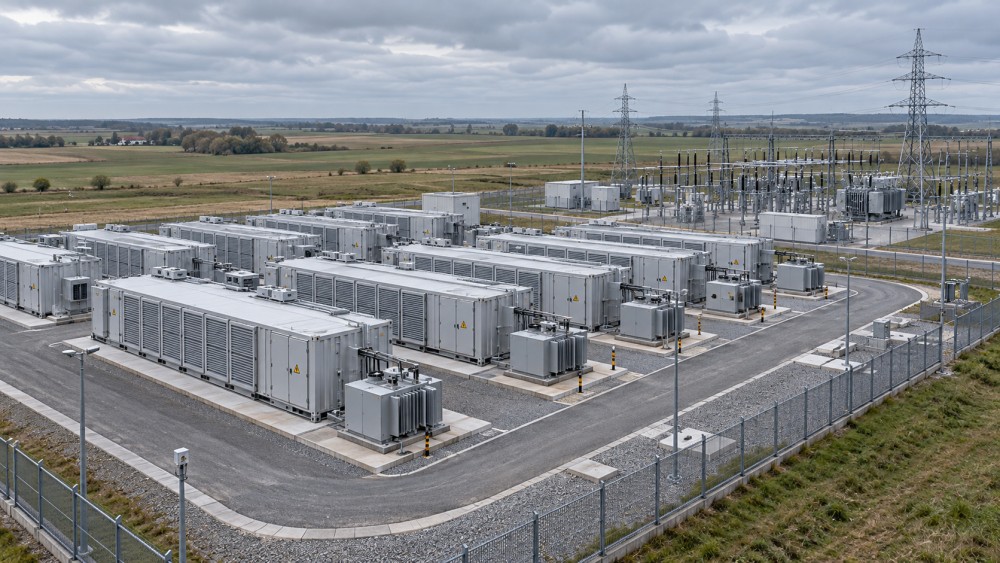
Existing Market Commitments Put the Transfer Process in Focus
Developers and buyers may need to examine contractual continuity
Analysis suggests that the projects' capacity market contracts are a central consideration when assessing the acquisition. Their stated duration alone does not establish the conditions governing a change in ownership, the allocation of responsibilities or any procedures associated with the sale. Developers and buyers may therefore need to examine the underlying contracts and applicable requirements before drawing conclusions about how the transaction affects those commitments.
Equipment suppliers may face procurement coordination questions
For battery suppliers and system integrators, a possible practical consequence is the need to confirm who will approve specifications, place orders and accept equipment after completion. The supplied information does not establish whether procurement arrangements will change. Analysis suggests that suppliers should verify the purchasing entity and approved technical documentation before treating the announced sale as a basis for revising production or delivery plans.
Engineering and service providers may need clearer responsibility allocation
From a delivery perspective, a project transfer may create questions about contractual contacts, acceptance procedures, warranty administration and service responsibilities. These are matters for verification, rather than confirmed changes arising from this transaction. Engineering contractors and service providers may benefit from checking whether their existing instructions and contractual arrangements remain applicable as the sale progresses.
Contract Review and Delivery Records Deserve Early Attention
Check what the capacity market contracts actually require
As a practical recommendation, parties assessing the projects should review the capacity market contracts for any provisions relevant to the proposed transfer and the performance of project obligations. The supplied summary confirms the contract terms but does not describe transfer conditions, approval procedures or performance requirements. Those details should be verified against the relevant documents before being incorporated into transaction or delivery assumptions.
Confirm procurement authority before changing commitments
Suppliers and contractors could seek confirmation of the authorized contracting party, purchasing contacts and document approval process as the transaction moves toward completion. Any proposed changes to orders, specifications or schedules should be assessed against confirmed instructions. The announcement does not provide a basis for assuming that procurement has restarted or that existing commitments have been revised.
Verify technical and compliance documentation against the agreed scope
As a document-control measure, project participants may wish to check that technical specifications, test records, acceptance documents and any applicable certification evidence correspond to the agreed equipment and delivery scope. This is a suggested verification step. The supplied information identifies no new certification standard, testing requirement or product compliance rule.
Keep delivery assumptions linked to confirmed transaction milestones
Because closing is expected but not confirmed in the supplied summary, businesses could assess whether their procurement and delivery plans depend on completion. Any adjustment should follow verified contractual arrangements and project instructions. Neither a revised delivery timetable nor a change in construction status can be inferred from the announcement.
A Signal of Contracted Storage Asset Activity, Not Evidence of New Rules
At this stage, it is more appropriate to understand the announcement as a transaction involving storage assets with existing capacity market contracts. It does not, on the information supplied, demonstrate a change in Polish capacity market rules or establish a new regulatory precedent for project transfers.
Editorial analysis suggests that the main industry question is how the projects' existing commitments will be addressed during and after completion. Confirmation of closing, clarification of contractual responsibilities and any disclosed implications for procurement or delivery would help market participants assess the practical effects. Until those details are available, broader conclusions about regulatory treatment or market execution would be premature.
Business Decisions Should Follow Verified Contractual Details
The proposed sale brings together a substantial storage portfolio and long-term capacity market commitments. From an industry perspective, its immediate relevance lies in the relationship between asset ownership, contractual obligations and project execution. Businesses can use the announcement as a prompt to review their exposure to the projects, while basing changes to procurement, compliance documentation and delivery commitments on verified information. The current evidence supports monitoring the transaction and its implementation; it does not support treating it as an enacted policy change.
Basis of Reporting and Items Awaiting Verification
This article is based solely on the user-provided news title, event timing information and event summary. The supplied material identifies October 23, 2026, as the announcement date and does not specify the signing date. No specific official source link was provided, so the underlying announcement and subsequent developments require continued verification.
Relevant materials for follow-up verification would include the companies' official announcements, the applicable capacity market documentation and any relevant regulatory publications. Further observation should focus on transaction completion, the treatment of existing contractual commitments, any confirmed procurement or delivery changes, and feedback from participating businesses. These are areas for follow-up, not outcomes established by the supplied information.
Related News
- Vietnam Sets 2026 Standalone Storage Price Ceiling at VND 3,209.98/kWhNov 12, 2026Energy Storage Strategist
- NTPC Green Energy Tenders 10 GW/40 GWh Storage Systems and Grid-Forming PCSNov 10, 2026Energy Storage Strategist
- Australia’s NEM Battery Storage Reaches Record 20.17 GWhNov 09, 2026Energy Storage Strategist
- India Approves ₹145 Billion VGF Plan for 92 GWh of Energy StorageNov 07, 2026Energy Storage Strategist